
حدد المشروع قبل مقارنة الموردين
يبدأ الاستفسار المفيد للمصنع بمخطط دورة المياه والأبعاد التقريبية وعدد الكبائن والوجهة والجدول الزمني المستهدف. حدد ما إذا كان النطاق يشمل الأبواب والألواح الفاصلة والأعمدة الفاصلة وفواصل المباول ومكونات التثبيت والملحقات المعدنية. فهذا يمنع مقارنة عرضي سعر يختلف نطاق التوريد بينهما.
لاحظ متطلبات إمكانية الوصول المحلية والخصوصية ورمز البناء في الملخص. ويظل مصمم المشروع أو السلطة المحلية مسؤولاً عن تأكيد الامتثال؛ يحتاج المصنع إلى هذه المتطلبات قبل الموافقة على أبعاد المكونات النهائية.
- مخطط توزيع أو مخطط موضح عليه أبعاد واضحة
- المادة المطلوبة وخيارات التشطيب المفضلة
- جهة فتح الأبواب ونظام التثبيت ومتطلبات الملحقات المعدنية
- الوجهة والكمية وفترة التسليم المطلوبة
قارن عملية المراجعة الفنية للمصنع
اسأل عن كيفية فحص المخططات وجداول المكونات والملحقات المعدنية قبل الإنتاج. يجب أن تكشف المراجعة المسؤولة عن الأبعاد المفقودة وواجهات الحائط واتجاهات الأبواب وظروف الموقع غير العادية للتوضيح. لا توافق على معلومات الإنتاج حتى يقوم فريق المشروع الخاص بك بفحصها ومقارنتها بالموقع الفعلي.
بالنسبة لقواطع دورات المياه المخصصة، تعتبر الموافقة على المخططات نقطة تحكم. فهو ينشئ مرجعًا مشتركًا لأحجام الأبواب والألواح والأعمدة دون الإشارة إلى أن المورد قد تحقق بشكل مستقل من المبنى.
تقييم المواد والملحقات المعدنية كنظام
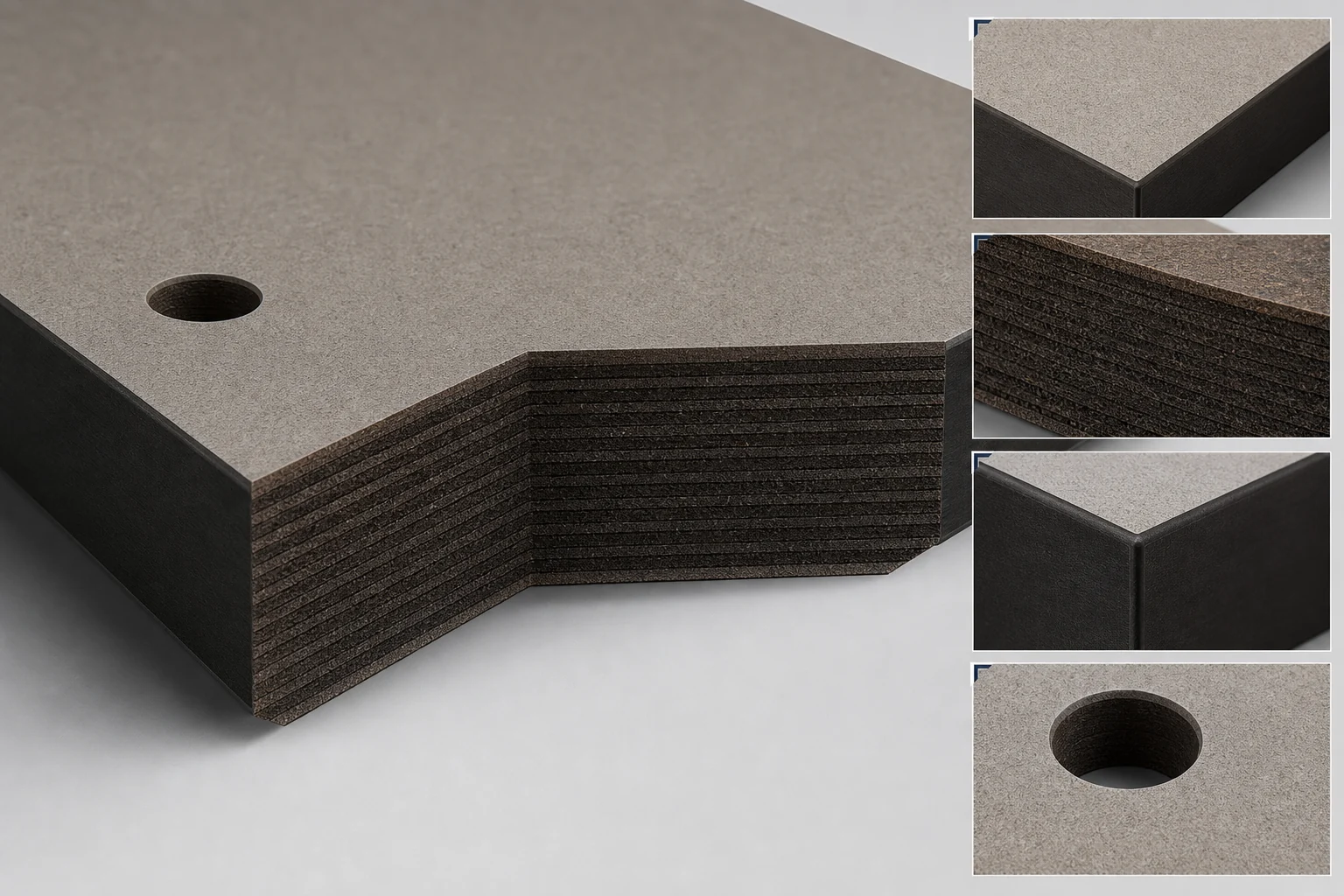
أسماء المواد وحدها لا تحدد نظام كبائن النهائي. قارن بين بناء اللوحة ومعالجة الحواف وترتيب التركيب والأقواس والمفصلات والمزالج والدعامات والتشطيبات المرئية. اطلب العينات ذات الصلة أو معلومات المنتج حيثما كان ذلك متاحًا، وتعامل مع أي مطالبة بالأداء على أنها غير مؤكدة حتى يتم دعمها بالمستندات المطلوبة لمشروعك.
يجب أن تكون الملحقات المعدنية مطابقة للتكوين المختار وركيزة الموقع. يجب أن يوضح استفسارك ما إذا كان الطلب يتطلب مجموعة منسقة كاملة أو مكونات بديلة محددة.
مراجعة مسؤوليات التعبئة والتصدير
تحتاج أوامر التصدير إلى قائمة تعبئة واضحة وطريقة تعريف المكونات وأبعاد العبوة وتعليمات الوجهة. تأكد من الجهة التي تقوم بترتيب الشحن، وأي مصطلح تجاري ينطبق، وأين يتم نقل المخاطر وما يجب على فريق الاستلام فحصه عند وصول البضائع. وينبغي كتابة هذه التفاصيل التجارية في مستندات عرض الأسعار أو الطلب بدلاً من افتراضها.
احتفظ بالعبوة حتى اكتمال الفحص الوارد. قم بتصوير الأضرار المرئية قبل نقل المكونات والإبلاغ عن التناقضات باستخدام ملصقات العبوة وقائمة التعبئة.
قم بإنشاء عرض أسعار قابل للمقارنة للمصنع
اطلب نفس النطاق والمعلومات من كل الموردين المدرجين في القائمة المختصرة. قارن الاستثناءات ودعم المخططات والموافقة النهائية واكتمال الملحقات المعدنية ومسؤولية التعبئة والتسليم إلى جانب السعر. تعتبر المهلة الزمنية والشحن خاصة بالمشروع ويجب تأكيدها للطلب الفعلي بدلاً من أخذها من بيان الموقع العام.
أوضح خطوة تالية هي إرسال حزمة مشروع منظمة واحدة: الخطة والأبعاد والكمية وخيار المادة وتوقعات الملحقات المعدنية والوجهة والجدول الزمني.
الأسئلة المتداولة
ما الذي يجب أن أرسله إلى مصنع قواطع دورات المياه للحصول على عرض أسعار؟
أرسل التصميم أو الرسم والأبعاد والكميات وتفضيلات المواد وأسلوب التركيب ونطاق الملحقات المعدنية والوجهة والجدول الزمني. ضع علامة على أي متطلبات إمكانية الوصول المحلية أو متطلبات الخصوصية.
هل يمكن للمصنع أن يقتبس من رسم في مرحلة مبكرة؟
قد يكون من الممكن إجراء مراجعة مبكرة للميزانية، ولكن يجب تحديد الأبعاد والمواصفات المفقودة وتأكيدها قبل الموافقة على معلومات الإنتاج.
كيف يمكنني مقارنة الشركات المصنعة لقواطع المراحيض؟
قارن نطاق التوريد الكامل، وعملية المخططات والموافقة، وتعريف المواد والملحقات المعدنية، والتعبئة، ومسؤولية التسليم، والاستثناءات ومتطلبات المشروع الموثقة – وليس السعر وحده.
تابع معقائمة مراجعة المشروع، راجعمجموعة المنتجات، أوأرسل معلومات مشروعكللحصول على عرض سعر من المصنع.